Where a team called the Trash Pandas can sell out merchandise and a Flying Squirrel can become a civic icon
Major League Baseball has the Yankees. The Dodgers. The Cubs. Names built over a century of tradition, billion dollar franchises, and the kind of institutional weight that makes creativity feel risky.
Minor league baseball has absolutely none of those constraints and it shows.
This is the level of baseball where a team in Amarillo, Texas decided they wanted to be called the Sod Poodles. Where Montgomery, Alabama went with Biscuits.
Meanwhile, Richmond, Virginia became the Flying Squirrels and promptly generated more merchandise sales than teams with ten times the budget. Where Pensacola chose Blue Wahoos and nobody questioned it because somehow it was perfect.
Minor league team names are one of the great underappreciated creative traditions in American sports culture. They’re funny, local, weird, deeply community rooted, and sometimes genuinely brilliant in ways that transcend the sport entirely.
They are what happens when you free a naming committee from the obligation to sound serious and give them permission to be exactly right for their specific, particular, irreplaceable place.
This guide is for baseball fans who love the craft of team naming, sports history enthusiasts, parents searching for fun baseball content, trivia lovers, writers and creatives who appreciate naming done at its most inventive, and anyone who has ever read “Rocket City Trash Pandas” on a jersey and felt genuine joy.
QUICK ANSWER
The best minor league baseball team names combine genuine creativity, local identity, and memorable branding into something that transcends sports. Top examples include the Rocket City Trash Pandas (Huntsville, AL), Montgomery Biscuits, Richmond Flying Squirrels, Pensacola Blue Wahoos, Hartford Yard Goats, Amarillo Sod Poodles, El Paso Chihuahuas, Akron RubberDucks, Lehigh Valley IronPigs, and New Orleans Baby Cakes (now Zephyrs). The greatest minor league names work because they are deeply local, genuinely funny, visually striking, and completely committed to their own absurdity.
Why Minor League Team Names Are a Genuine Art Form
There’s a temptation to treat funny minor league baseball names as a novelty, a list of weird things to scroll through and chuckle at. That reading misses what’s actually happening, which is something considerably more interesting.
The Business Logic Behind Creative Naming
Minor league baseball teams operate on fundamentally different economics than their major league counterparts. They can’t compete on star power; their players are, by definition, on their way to somewhere else. They can’t compete on stadium prestige or decades of tradition. What they can compete on is community identity, local pride, and merchandise.
And merchandise lives or dies by the name and logo.
The Richmond Flying Squirrels became one of minor league baseball’s great merchandise success stories not because of their onfield performance but because a flying squirrel wearing a baseball cap is simply an irresistible object to put on a tshirt. People who have never attended a Flying Squirrels game own Flying Squirrels merchandise because the name and the image give them genuine joy.
That’s not accidental. That’s strategy executed through creativity.
The Naming Process: More Thoughtful Than It Looks
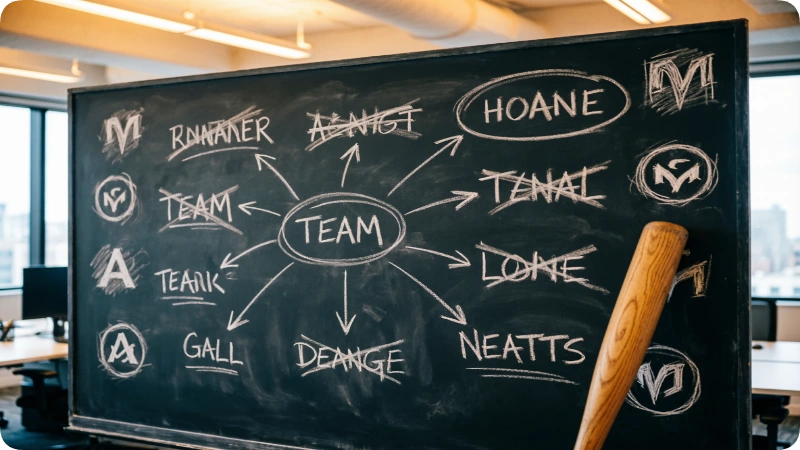
Most great minor league team names go through extensive community involvement. Fan votes, naming contests, local focus groups. The teams that get it right the Yard Goats, the Trash Pandas, the Biscuits typically arrive at names through a genuine process of community reflection: what is this place, what does it love, what would it proudly wear on a hat?
The names that feel random often aren’t. Sod Poodles, the nickname for prairie dogs in the Texas Panhandle, is a hyperlocal reference that resonates deeply with anyone from Amarillo while being funny and memorable to everyone else. That combination of local depth and universal accessibility is the gold standard.
What Makes a Minor League Name Great
Local specificity. The best names are rooted in something real about the place, its geography, history, industry, food culture, or specific character. Montgomery Biscuits makes sense for Alabama in a way it wouldn’t for Oregon.
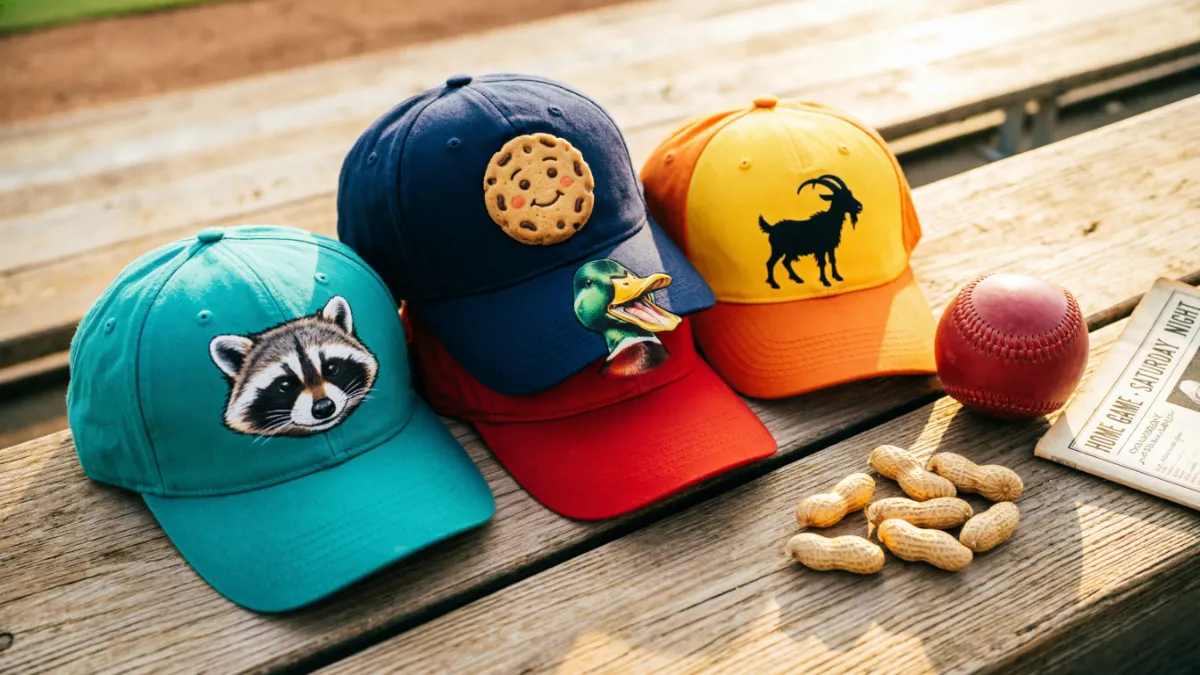
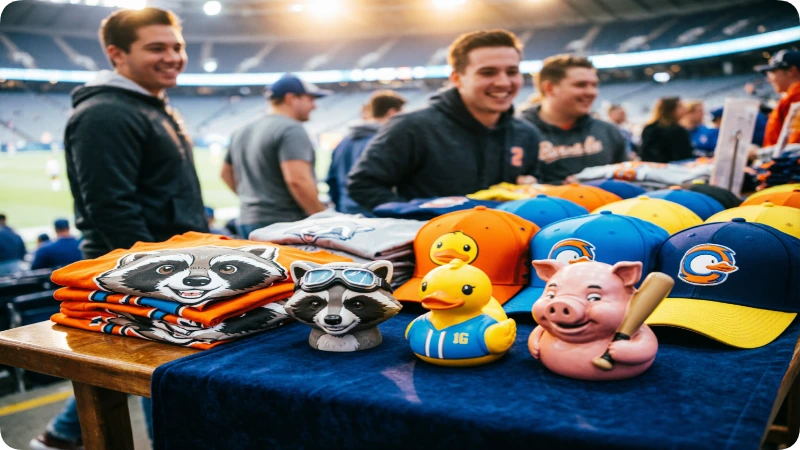
Visual potential. A great name generates a great logo almost automatically. A trash panda in a space helmet. A rubber duck in a batting helmet. A goat standing in a yard. These images practically draw themselves.
Uncommitted to dignity. The willingness to be genuinely ridiculous to pick the funny name over the impressive one is what separates the great minor league names from the forgettable ones. The teams that chose “Generals” or “Eagles” or “Tigers” are fine. The teams that chose Biscuits and Chihuahuas and RubberDucks are legends.
Merchandise appeal. If you can put it on a hat and have someone smile when they see it, you’ve got something.
The Greatest Minor League Baseball Team Names of All Time
These aren’t ranked by onfield performance, stadium quality, or franchise value. They’re ranked by the thing that actually matters in this context: the quality of the name itself, its creativity, its local rootedness, its visual impact, and its ability to generate genuine delight.
Rocket City Trash Pandas Huntsville, Alabama (DoubleA)
The Trash Pandas are the current pinnacle of minor league baseball naming. The team, a DoubleA affiliate of the Los Angeles Angels, launched in 2020 (with their first full season in 2021 due to COVID19) and almost immediately generated the kind of merchandise frenzy that most teams spend decades trying to achieve.
“Trash Panda” is internet slang for raccoon popularized through memes and social media, particularly after the character Rocket Raccoon in Guardians of the Galaxy prompted the nickname’s viral spread. The team’s logo adds the “Rocket City” element (Huntsville is home to NASA’s Marshall Space Flight Center and the US Space & Rocket Center), creating a raccoon in a space helmet that is simultaneously a local heritage reference and a pop culture triumph.
The name works on every level: funny, visual, locally meaningful, culturally relevant, and completely committed. Their merchandise sold out repeatedly before they played a single game. That is the power of a perfect name.
Why it’s brilliant: Combines NASA’s Huntsville heritage with internet raccoon culture into a logo that makes every demographic happy simultaneously.
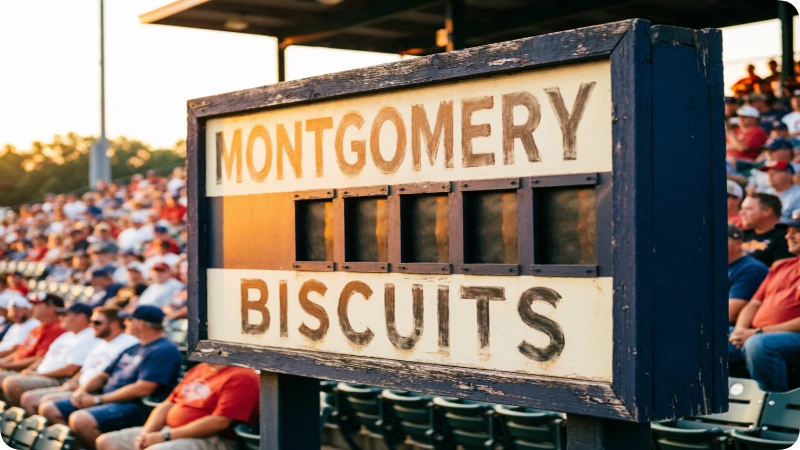
Montgomery Biscuits Montgomery, Alabama (DoubleA)
The Biscuits arrived in 2004 and remain one of the most beloved and debated minor league names in baseball. The logo, a biscuit with a pat of butter, wearing a baseball cap and appearing to be mildly startled is an absolute masterwork of sports branding absurdity.
Biscuits in the American South are not just food. They’re culture, comfort, memory, Sunday mornings, and grandmothers. The name carries genuine regional meaning while being irresistibly funny to everyone outside the immediate geography. A baseball team named after a bread product played at the highest minor league level is either the best or worst idea in sports history and the Biscuits have spent nearly two decades demonstrating that it is emphatically the best.
Their merchandise is consistently among the topselling in minor league baseball. Their games are genuine community events. The name did that.
Why it’s brilliant: Southern food culture transformed into civic identity. Simultaneously regional, funny, and genuinely warm.
Richmond Flying Squirrels Richmond, Virginia (DoubleA)
The Flying Squirrels launched in 2010 after Richmond hosted a fan naming contest with over 40,000 participants. Flying Squirrels won, narrowly defeating options like the Flatheads and the Hush Puppies. This was the right decision.
The flying squirrel, specifically the Virginia northern flying squirrel, a genuinely charming creature was chosen as a nod to Richmond’s location in a state with strong squirrel associations and an acknowledgment that sometimes the right name is simply the funniest credible option.
The mascot, Nutzy, is a flying squirrel in a baseball uniform who has become a genuine Richmond cultural figure. The merchandise program is exceptional. And the name has the essential quality of being unforgettable once you’ve heard “Richmond Flying Squirrels,” you never forget it.
Why it’s brilliant: Community chosen, locally rooted, visually perfect, and carries the rare quality of generating affection rather than just recognition.
Hartford Yard Goats Hartford, Connecticut (DoubleA)
The Yard Goats name came from a 2015 fan poll that surprised almost everyone the winning name beat out options that most observers expected to win. A yard goat is a small locomotive used to move railroad cars within a rail yard, referencing Hartford’s rail history. But the phrase also simply means a goat that lives in a yard, which is exactly what the logo depicts: a very confident goat.
Hartford immediately became a case study in the power of committing to an unexpected name. The backlash was real, local media was skeptical, many fans were confused and then the merchandise sold. The logo was excellent. The games were fun. The Yard Goats became genuinely beloved.
It is now one of the most recognized minor league names nationally, cited consistently in discussions of great sports naming alongside teams with fifty years of history.
Why it’s brilliant: A double meaning (railroad history plus a literal yard goat) executed with complete commitment despite initial skepticism.
Amarillo Sod Poodles Amarillo, Texas (DoubleA)
“Sod Poodle” is a regional nickname for prairie dogs, used colloquially in the Texas Panhandle. The Amarillo team, which began play in 2019, chose the name after an extensive fan vote and consultation process and the result is one of the most regionally specific, culturally rooted names in minor league baseball.
The logo is a prairie dog (looking not at all like a poodle, but enthusiastically like itself) in a baseball uniform, with the wideopen Texas sky implied in the color palette. It is deeply, specifically Texan in a way that a name like “Amarillo Roughnecks” or “Amarillo Longhorns” simply isn’t.
Why it’s brilliant: Hyperlocal slang turned into civic identity. Nobody outside the Texas Panhandle knew what a sod poodle was before 2019. Now everyone does, and it’s a perfect name.
| Team Name | Location | Level | What Makes It Great |
| Rocket City Trash Pandas | Huntsville, AL | DoubleA | NASA + raccoon meme = perfect |
| Montgomery Biscuits | Montgomery, AL | DoubleA | Southern food as civic pride |
| Richmond Flying Squirrels | Richmond, VA | DoubleA | Communitychosen, visually brilliant |
| Hartford Yard Goats | Hartford, CT | DoubleA | Railroad history + literal goat |
| Amarillo Sod Poodles | Amarillo, TX | DoubleA | Hyperlocal Texas slang |
| El Paso Chihuahuas | El Paso, TX | TripleA | Border culture, unmissable logo |
| Pensacola Blue Wahoos | Pensacola, FL | DoubleA | Gulf Coast fish, perfect sound |
| Akron RubberDucks | Akron, OH | DoubleA | Industrial heritage, pure joy |
| Lehigh Valley IronPigs | Allentown, PA | TripleA | Steel industry turned mascot |
| New Britain Bees | New Britain, CT | (historical) | Industry + nature, clean aesthetic |
More Brilliant Minor League Names Worth Celebrating
El Paso Chihuahuas El Paso, Texas (TripleA)
The Chihuahuas, a TripleA affiliate of the San Diego Padres have one of the most visually striking logos in any level of professional baseball: a Chihuahua dog in a baseball uniform, designed with genuine artistry. The name honors El Paso’s position as a border city with deep cultural ties to Chihuahua, Mexico, the Mexican state directly across the border.
It’s one of those names that sounds immediately right for the place, which is the highest compliment a location-based team name can receive. The dog itself is small and fierce in a way that maps nicely onto underdog sports mythology.
Pensacola Blue Wahoos Pensacola, Florida (DoubleA)
The wahoo is a fast, aggressive Gulf Coast fish prized by sport fishermen along the Florida Panhandle. As a team name it works on three levels: locally specific (Gulf Coast fishing culture), visually strong (a blue fish in a baseball cap is an excellent logo concept), and phonetically perfect (say “Blue Wahoos” aloud and notice how satisfying it is).
The color choice blue, matching the Gulf of Mexico completes the picture. Everything about this name makes sense for exactly where it is.
Akron RubberDucks Akron, Ohio (DoubleA)
Akron was historically the rubber capital of the world home to Goodyear, Firestone, and General Tire, among others. The rubber duck, an invention of the 20th century made from (initially) rubber, connects that industrial heritage to one of the most universally beloved childhood objects in existence.
The result is a name that simultaneously honors Akron’s industrial history and deploys a rubber duck in a batting helmet as a sports mascot which is, objectively, a perfect outcome. The mascot is named “Orbit.” This is correct.
Lehigh Valley IronPigs Allentown, Pennsylvania (TripleA)
“Iron pigs” was a term used in the steel industry specifically referring to pigs of iron, the rough iron castings produced by blast furnaces before further refining. The Lehigh Valley was historically a major center of American steel production, so the name carries genuine industrial heritage.
The mascot, Ferrous, is a pig made of iron. This sounds like it should not work. It absolutely works. The IronPigs consistently rank among the bestattended and bestmerchandised teams in TripleA baseball.
Chattanooga Lookouts Chattanooga, Tennessee (DoubleA)
One of the oldest minor league teams in existence (established 1885), the Lookouts take their name from Lookout Mountain, the Civil War battlefield and natural landmark that overlooks Chattanooga. It’s a name with genuine historical depth that has survived over a century of baseball.
The name manages to be both historically meaningful and genuinely evocative as a sports name “lookouts” suggests watchfulness, high ground, strategic awareness. It’s one of the rare minor league names that sounds like it could have been a major league name and nobody would question it.
Rocket City Trash Pandas vs. The Rest: A Merchandise Comparison
The merchandise phenomenon around certain minor league names deserves particular attention because it reveals something important about what makes a name work commercially.
Teams with unusual, funny, or visually rich names consistently outperform traditionally named teams in merchandise sales relative to their market size. The Flying Squirrels, Trash Pandas, Biscuits, and Yard Goats all have documented merchandise performance that exceeds what their market size and attendance numbers would predict.
The common thread: names that make people smile want to be worn. People buy merchandise that makes them feel something, usually joy, pride, or affectionate humor. “Greensboro Generals” makes nobody feel anything. “Montgomery Biscuits” makes people happy. The commercial outcome follows naturally.
Cool Minor League Team Names
Not every great minor league name has to be purely funny or absurd. Some stand out because they sound bold, memorable, and genuinely cool while still carrying a strong connection to their city or region.
Here are some of the coolest minor league baseball team names:
- Rocket City Trash Pandas — A wildly creative name with a strong Huntsville and NASA connection.
- Omaha Storm Chasers — Bold, energetic, and perfectly suited to Nebraska’s storm culture.
- El Paso Chihuahuas — Short, distinctive, and deeply connected to the city’s border identity.
- Jupiter Hammerheads — A powerful combination of place and one of the ocean’s most recognizable predators.
- Pensacola Blue Wahoos — Smooth, memorable, and strongly tied to Gulf Coast fishing culture.
- Hartford Yard Goats — Unusual but confident, with both railroad history and a memorable mascot concept.
- Scranton/Wilkes-Barre RailRiders — A strong industrial identity with an energetic sports feel.
- Lehigh Valley IronPigs — Tough-sounding and rooted in the region’s steelmaking history.
- Richmond Flying Squirrels — More playful than intimidating, but highly distinctive and instantly recognizable.
- Akron RubberDucks — Quirky rather than fierce, yet exceptionally memorable because of Akron’s rubber industry heritage.
The coolest minor league team names tend to share one thing: they sound like they belong to a specific place. Instead of relying on generic sports words, they turn local history, wildlife, industry, geography, or culture into an identity fans can actually own.
AAA, Triple-A, Double-A & AA Baseball Team Names
Minor league baseball team names are also commonly searched by their classification, especially AAA (Triple-A) and AA (Double-A). If you’re looking specifically for team names at these levels, here are some of the most memorable examples.
AAA and Triple-A Baseball Team Names
Some notable Triple-A team names include:
- El Paso Chihuahuas — El Paso, Texas
- Lehigh Valley IronPigs — Allentown, Pennsylvania
- Jacksonville Jumbo Shrimp — Jacksonville, Florida
- Omaha Storm Chasers — Omaha, Nebraska
- Scranton/Wilkes-Barre RailRiders — Pennsylvania
- Las Vegas Aviators — Las Vegas, Nevada
- Albuquerque Isotopes — Albuquerque, New Mexico
- Norfolk Tides — Norfolk, Virginia
- Toledo Mud Hens — Toledo, Ohio
- Louisville Bats — Louisville, Kentucky
These AAA baseball team names range from humorous and unexpected to traditional and intimidating, but the strongest ones still give the team a distinctive identity.
AA and Double-A Baseball Team Names
Double-A baseball also has some of the most creative names in the minor leagues. Examples include:
- Rocket City Trash Pandas — Huntsville, Alabama
- Montgomery Biscuits — Montgomery, Alabama
- Richmond Flying Squirrels — Richmond, Virginia
- Hartford Yard Goats — Hartford, Connecticut
- Amarillo Sod Poodles — Amarillo, Texas
- Pensacola Blue Wahoos — Pensacola, Florida
- Akron RubberDucks — Akron, Ohio
- Chattanooga Lookouts — Chattanooga, Tennessee
- Binghamton Rumble Ponies — Binghamton, New York
- Jersey Shore BlueClaws — New Jersey
If you’re comparing AAA and Double-A team names, Double-A has many of the names most famous for creativity and humor, while Triple-A includes a mix of quirky modern names and longer-running traditional identities.
Minor League Names by Aesthetic and Vibe Category
Delightfully FoodThemed
Food names occupy a specific and beloved corner of minor league baseball naming rooted in regional food culture, instantly visual, and carrying warmth that purely animal or geography-based names sometimes can’t match.
- Montgomery Biscuits The gold standard. Southern comfort food as civic identity.
- El Paso Chihuahuas Not food, but the name has the same warm regional cultural rootedness as food names.
- Gwinnett Stripers Striped bass, a Georgia fishing tradition. Less about the fish, more about the fishing culture.
- Las Vegas Aviators Not food, but the Vegas name is discussed in the context of entertainment spectacle.
- Frisco RoughRiders Texas frontier heritage. Rodeo culture rather than food culture, but the same regional specificity principle.
Teams that have explored food names in various capacities:
- New Orleans Baby Cakes (now Zephyrs) King cake reference for Mardi Gras culture. Briefly wonderful.
- Jacksonville Jumbo Shrimp A jumbo shrimp is an oxymoron. This is the joke. It is a very good joke.
Industrial Heritage Names
Several of the best minor league names honor the industrial history of their regions with genuine creativity:
- Akron RubberDucks Rubber industry, childhood joy, perfect.
- Lehigh Valley IronPigs Steel industry, unexpected mascot, beloved.
- Hartford Yard Goats Railroad industry (yard goat = rail locomotive), local goat, both.
- Birmingham Barons Coal and steel “barons” of Alabama’s industrial history.
- Toledo Mud Hens One of baseball’s oldest and most beloved names, referencing the birds that lived in the marshes surrounding Toledo’s original stadium. MAS*H’s Corporal Klinger wore their hat, giving them unexpected pop culture immortality.
Wildlife and Nature Names Done Right
The wildlife name is the most common category in minor league baseball which means the bar for doing it well is correspondingly higher. These teams cleared it:
- Richmond Flying Squirrels The specific is better than the general. Not “squirrels.” Flying squirrels.
- Pensacola Blue Wahoos The specific fish of a specific coast makes it right.
- Jacksonville Jumbo Shrimp The oxymoron is the point.
- Binghamton Rumble Ponies The carousel ponies of Binghamton’s Ross Park (one of the oldest continuously operating carousels in America). The “Rumble” adds unexpected energy.
- Eugene Emeralds The emerald color of the Pacific Northwest, genuinely beautiful as a name.
Names That Sound Genuinely Intimidating Despite Everything
These names manage to carry sports menace despite their unusual origins:
- Omaha Storm Chasers Weather tracking meets Nebraska tornado alley. Genuinely ominous.
- Salt Lake Bees “Bees” sounds gentle. Salt Lake Bees sounds like a swarm that has made a commitment.
- Albuquerque Isotopes Named after a Simpsons episode where Springfield almost loses its team to Albuquerque as the “Albuquerque Isotopes.” The real team adopted the name with complete selfawareness. It is a great name.
- Jupiter Hammerheads The hammerhead shark is a genuinely menacing creature. Jupiter, Florida is an excellent context.
- Scranton/Wilkes Barre Rail Riders Industrial heritage plus “Rail Riders” sounds like something that should not be crossed.
The Albuquerque Isotopes: A Case Study in Perfect Self Awareness
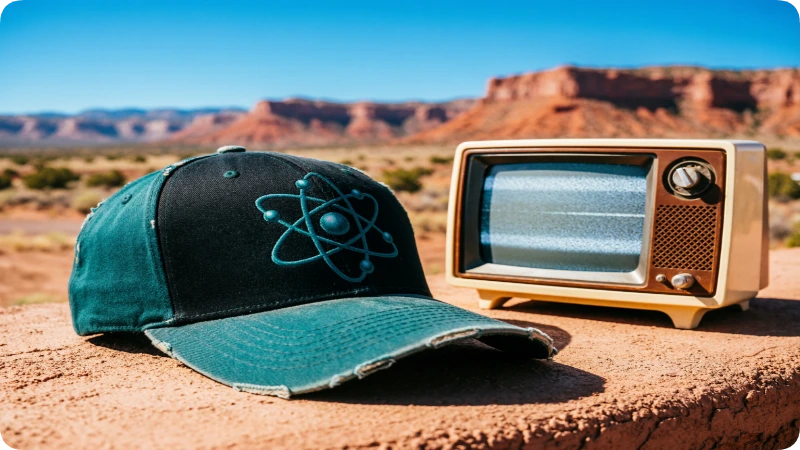
The Albuquerque Isotopes deserve their own section because their naming story is uniquely wonderful.
In a 2001 episode of The Simpsons titled “Hungry, Hungry Homer,” Homer discovers that the Springfield Nuclear Plant’s baseball team (the Springfield Isotopes) is being secretly moved to Albuquerque. He stages a hunger strike to stop it. The fictional team was called the Albuquerque Isotopes.
In 2003, when the real minor league team in Albuquerque was rebranding, they chose the Isotopes name acknowledging the Simpsons connection completely, even getting Matt Groening’s blessing. The name also fits because New Mexico is home to Los Alamos National Laboratory and Sandia National Laboratories, making the nuclear reference genuinely local as well.
The result: a team named after a fictional team from a cartoon, which also happens to be a real local reference, which was adopted with complete self-awareness and celebrated accordingly.
The Isotopes are consistently among the best-known minor league names nationally. They sell exceptional merchandise. The logo is excellent. Every single piece of this works.
This is the model for how to handle an unusual naming opportunity: own it completely, find the local connection, commit to the visual identity, and trust that genuine creativity is its own reward.
Names With Incredible Logo and Visual Identity Potential
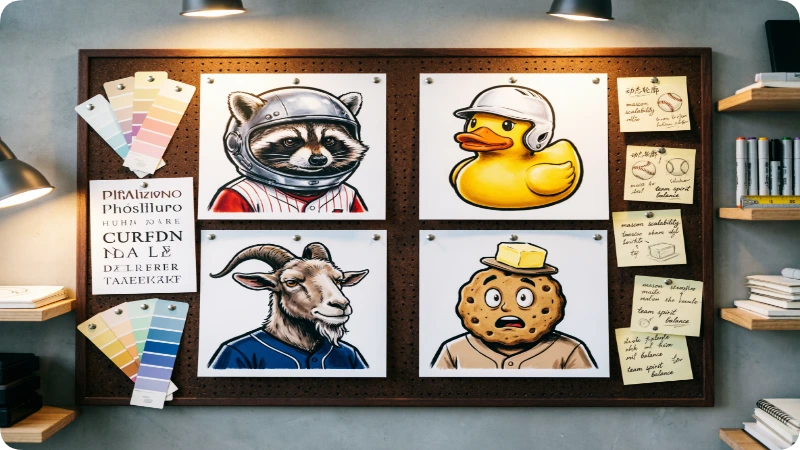
Part of what makes a great minor league name great is its visual potential, the logo and merchandise that flow naturally from a strong name concept.
The Names With the Best Logos
Rocket City Trash Pandas A raccoon in a space helmet is an objectively perfect logo. The combination of small, resourceful creatures with NASA heritage creates something that works as folk art, merchandise art, and sports branding simultaneously.
Montgomery Biscuits The startled butter patwearing biscuit is beloved precisely because it commits entirely to absurdity. It is a biscuit. This biscuit wearing a hat. It seems surprising to be here. So are we. This is fine.
Akron RubberDucks A rubber duck in a batting helmet is undeniably correct. The yellow against the dark navy team colors creates perfect visual contrast. Orbit the mascot is an excellent execution of the concept in physical space.
El Paso Chihuahuas The Chihuahua logo is one of the most artistically accomplished in minor league baseball rendered with genuine craft rather than the clipart energy that afflicts some minor league designs. The dog has personality.
Hartford Yard Goats The goat logo has the specific quality of seeming both confident and slightly judgmental that is the natural default expression of actual goats. It is very accurate to the animal and very funny as a result.
How Minor League Teams Choose Their Names: The Process
Understanding how great minor league names come to exist reveals something important about why the best ones feel so right.
The Community Vote Model
Many of the most beloved minor league names came from public naming contests. Richmond Flying Squirrels, Hartford Yard Goats, and Amarillo Sod Poodles all emerged from extensive fan involvement, tens of thousands of votes, multiple rounds of voting, and genuine community investment in the outcome.
This process matters because it ensures the name has actual local resonance. When 40,000 people vote for Flying Squirrels, that name carries the collective expression of what Richmond wanted to be in its baseball identity. It’s not imposed from outside. It’s chosen from within.
The ResearchFirst Approach
The best professional naming processes for minor league teams typically begin with deep research into local history, culture, industry, geography, and food searching for the authentic detail that makes a name feel inevitable rather than invented.
Sod Poodles worked because it was already there in the local vocabulary, waiting to be claimed. The naming team didn’t invent it. They found it.
The Merchandise Test
Before committing, smart minor league naming decisions include a merchandise visualization test: can you see this on a tshirt, a hat, and a bobblehead? If yes to all three, proceed. If the name doesn’t generate an obvious visual or generates one but it isn’t appealing reconsider.
The names that fail the merchandise test tend to be ones that are too abstract (you can’t really put “integrity” on a jersey in a way that sells), too generic (another eagle logo competes with fifty existing eagle logos), or too local in a way that doesn’t translate visually (extremely niche historical references that require a paragraph of explanation).
Frequently Asked Questions
What is the most famous minor league baseball team name?
The Montgomery Biscuits and Richmond Flying Squirrels are consistently cited as the most famous minor league names nationally, with the Rocket City Trash Pandas having generated extraordinary attention since their 2020 launch. The Albuquerque Isotopes have the most unusual origin story (named after a Simpsons episode) and consistently rank among the most nationally recognized minor league names. Toledo Mud Hens may have the longest sustained national recognition, partly due to their mention in the MAS*H television series.
Why do minor league baseball teams have such unusual names?
Minor league teams compete for fan attention and merchandise revenue without the star power of major league rosters. An unusual, funny, or visually distinctive name creates immediate brand recognition, generates merchandise sales, and builds community identity around something genuinely local and specific. The economics of minor league baseball reward creative naming in ways that major league baseball, with its established traditions, does not.
What was the Albuquerque Isotopes named after?
The Albuquerque Isotopes were named after the fictional baseball team in a 2001 episode of The Simpsons, “Hungry, Hungry Homer,” in which the Springfield Isotopes are secretly planning to be moved to Albuquerque. The real team adopted the name in 2003 with Matt Groening’s blessing, also noting the genuine local connection to New Mexico’s nuclear research facilities. It remains one of the most self-aware and beloved team naming stories in sports history.
What minor league team has the best merchandise?
The Rocket City Trash Pandas generated some of the most remarkable prelaunch merchandise sales in minor league history. The Montgomery Biscuits, Richmond Flying Squirrels, and Hartford Yard Goats consistently rank among the top minor league merchandise performers relative to their market size. The Toledo Mud Hens have long had exceptional merchandise sales sustained over decades.
What are the oldest minor league baseball team names?
The Chattanooga Lookouts (established 1885) are among the oldest continuously operating minor league teams. The Toledo Mud Hens have existed in various forms since the 1890s. Many of the “classic” minor league names Mud Hens, Lookouts, Barons have roots stretching back to the late 19th and early 20th centuries, giving them a historical depth that most modern creative names lack but making them no less beloved.
How do minor league teams pick their names?
The process varies by organization, but the most successful approaches typically involve community naming contests (public votes with multiple rounds), deep research into local history and culture, professional branding consultation, and extensive merchandise visualization testing. The teams that get it right tend to be the ones that prioritize genuine local meaning over generic sports impressiveness, finding the name that is specific to this place, at this time, for these people.
The Names That Made the Minors Matter
Here’s the thing about minor league baseball that the names capture better than anything else: this is baseball at its most human scale.
These are not billion dollar franchises playing in $2 billion stadiums. Instead, they’re community teams playing in parks where a hot dog costs $4 and the mascot high fives kids in the concourse and the fourth inning stretch is genuinely unhinged in the best way.
These are the games where baseball remembers what it’s supposed to feel like: accessible, local, slightly absurd, completely genuine.
The names carry all of that. A Trash Panda in a space helmet is not trying to be the Yankees. It’s trying to be Huntsville, Alabama, a city with a rocket on the skyline and a raccoon in the trash can and more warmth per capita than most places ten times its size.
The Biscuits are not competing with the Red Sox. They’re being Montgomery Southern, warm, proudly specific, and completely comfortable with the fact that they named their baseball team after a breakfast food.
That specificity, that groundedness, that willingness to be exactly where they are rather than aspiring to somewhere else that’s what makes these names great.
That’s what makes minor league baseball great. That’s what makes the names last, and the memories stick, and the merchandise sells, and the games feel like somewhere you genuinely want to be.
It’s not just a name. It’s a place telling you who it is.
And when it’s done right, you want to be there.

I am Clara Bennett, a passionate Name Researcher and Content Writer at Nameopediahub.com . I share well-researched content about name meanings, origins, trends, and naming ideas to help readers discover unique and meaningful names from around the world. nameopediahub.com