Featured Snippet
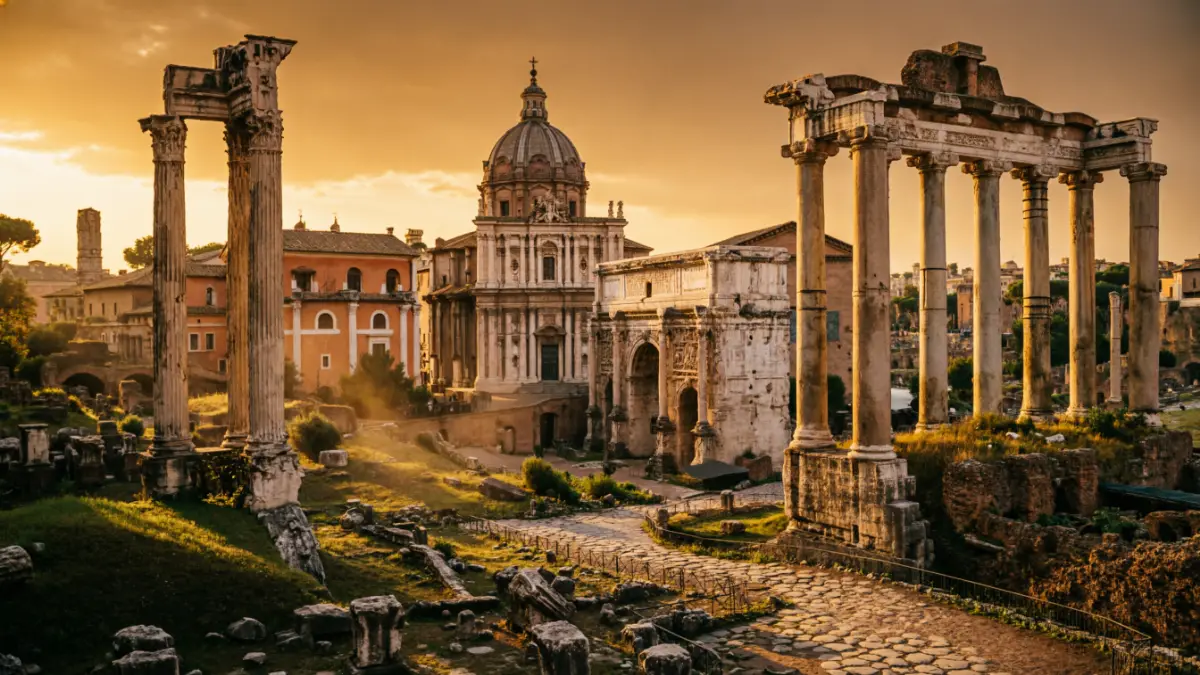
The most powerful Roman emperor names include Augustus, Julius Caesar, Marcus Aurelius, Hadrian, Trajan, Constantine, Claudius, Vespasian, Tiberius, and Domitian. Roman emperor names come from the great patrician family names (nomina) of Roman aristocracy, honorific titles like Augustus and Caesar, and the personal names (praenomina) of individuals who shaped the ancient world. They carry two thousand years of accumulated authority, philosophical depth, military glory, and the specific weight of a civilization that defined Western history.
Names That Ruled the World
There is a particular quality to a Roman emperor’s name.
It does not arrive quietly.
When you say Augustus you feel the weight of a man who transformed a republic into an empire, who gave his name to a month, who presided over the Pax Romana forty four years of relative peace across a civilization of fifty million people. Mention Marcus Aurelius you feel the philosopher king, the man who wrote Meditations in his campaign tent while managing an empire he found personally burdensome. When you say Hadrian you feel the traveler/emperor, the builder of walls and temples and relationships across the known world.Roman emperor names carry their bearers with them.
This guide explores the names of Rome’s emperors in full their meanings, their histories, the specific qualities they carry, and why they resonate so powerfully in fiction, gaming, naming culture, and the broader human fascination with the world’s most consequential empire.
How Roman Naming Worked
Understanding Roman naming convention makes emperor names richer and more meaningful.
Romans of the imperial class typically used a threename system called the tria nomina. The nomen was the family clan name Julius, Claudius, Flavius, Aurelius. The cognomen was an additional name, often a nickname that became hereditary Caesar, Augustus, Germanicus.
This means that “Julius Caesar” is the clan name (Julius) and a cognomen (Caesar) not a first name and last name in the modern sense. “Augustus” was originally an honorific title meaning “venerable” or “consecrated” that Gaius Octavius took as a name when he became the first Roman emperor.
As emperors accumulated titles, adoptions, and honorifics, their full names became extraordinary: Gaius Julius Caesar Augustus Germanicus better known as Caligula is a perfect example of how Roman imperial naming layered identity, family, and achievement.
Roman Emperor Names Overview
| Emperor | Reign | Legacy | Name Energy |
| Augustus | 27 BC–14 AD | Founded the Empire | Authority, transformation, peace |
| Tiberius | 14–37 AD | Cautious, dark later reign | Solitary, powerful, somber |
| Caligula | 37–41 AD | Notorious excess | Chaotic, cautionary, dark |
| Claudius | 41–54 AD | Scholaremperor | Unexpected, intelligent, underestimated |
| Nero | 54–68 AD | Artistic, cruel | Dramatic, notorious, complex |
| Vespasian | 69–79 AD | Practical rebuilder | Earthy, solid, grounded |
| Titus | 79–81 AD | Beloved, brief reign | Warm, tragic, admired |
| Domitian | 81–96 AD | Authoritarian | Dark, controlling, feared |
| Nerva | 96–98 AD | First of the Five Good Emperors | Measured, transitional, wise |
| Trajan | 98–117 AD | Greatest military expansion | Bold, victorious, magnificent |
| Hadrian | 117–138 AD | Builder, traveler, intellectual | Cultured, complex, wandering |
| Marcus Aurelius | 161–180 AD | Philosopherking | Stoic, noble, deeply human |
| Commodus | 180–192 AD | selfish, gladiatorial | Dark, theatrical, cautionary |
| Septimius Severus | 193–211 AD | Military reformer | Fierce, strategic, North African |
| Constantine | 306–337 AD | Christianized the Empire | Revolutionary, lasting, transformative |
The First Emperors: The JulioClaudian Dynasty Names
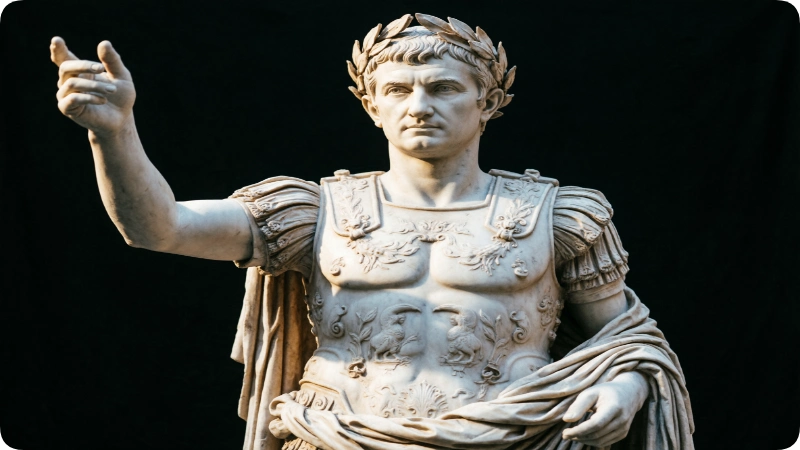
The JulioClaudian dynasty Rome’s founding imperial family produced some of the most historically resonant names in Western civilization. These names defined what imperial authority looked and sounded like.
Augustus
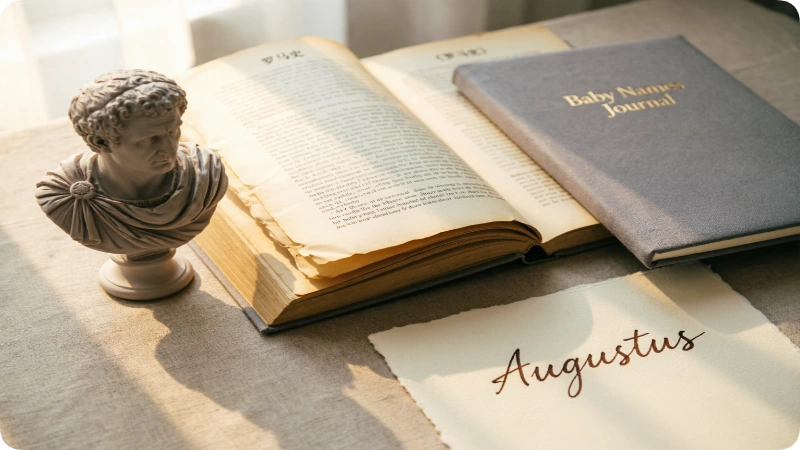
Born Gaius Octavius, he became Rome’s first emperor after defeating Mark Antony and Cleopatra. The Senate granted him the title Augustus in 27 BC from the Latin augere (to increase) and augustus (consecrated, venerable). The word carried religious and civic weight simultaneously: something increased by divine favor, set apart from the ordinary. Augustus gave his name to the eighth month of the year. His reign lasted fortyone years. As a given name today, Augustus carries that specific combination of historical grandeur and warm usability it is in the US top 200 boy names, driven by the nickname Gus which transforms imperial gravity into immediate warmth.
Tiberius
Augustus’s successor and stepson. From the Latin Tiberis the Tiber River, the river of Rome itself. Tiberius was an able general who became an increasingly reclusive and unreasonable emperor, spending his final years in self-imposed exile on the island of Capri. The name carries a specifically somber, powerful quality it is the river at Rome’s heart, which gives it both grandeur and melancholy. Tacitus’s Annals portrays Tiberius with psychological complexity that makes him one of the most fascinating figures in Roman literature.
Caligula
His actual name was Gaius Julius Caesar Germanicus. “Caligula” was a childhood nickname meaning “Little Boot” (from caliga, the military boot) given because he grew up in the legionary camps of his father Germanicus and wore tiny soldier’s boots. He is one of the most notorious Roman emperors; his reign began promisingly and deteriorated into what ancient sources describe as cruelty and madness.
Claudius
He turned out to be a serious scholar and capable administrator who expanded the empire to include Britain. Robert Graves’s novels I, Claudius and Claudius the God and the subsequent BBC television adaptation made Claudius one of the most beloved figures in popular Roman history. As a name it carries the specific quality of underestimated intelligence. Nickname: Claude (French form, warm and distinguished).
Nero
The fifth JulioClaudian emperor and one of the most complex figures in Roman history. Nero was a genuine artist, a musician, poet, and performer who was also responsible for the persecution of Christians following the Great Fire of Rome in 64 AD and the deaths of his mother and first wife. The name is from the Sabine meaning “strong, vigorous.” As a cultural figure Nero has become the archetype of the artist/tyrant, someone whose genuine creative gifts coexisted with genuine cruelty. The name carries that complexity entirely.
The Five Good Emperors: Rome’s Golden Age Names
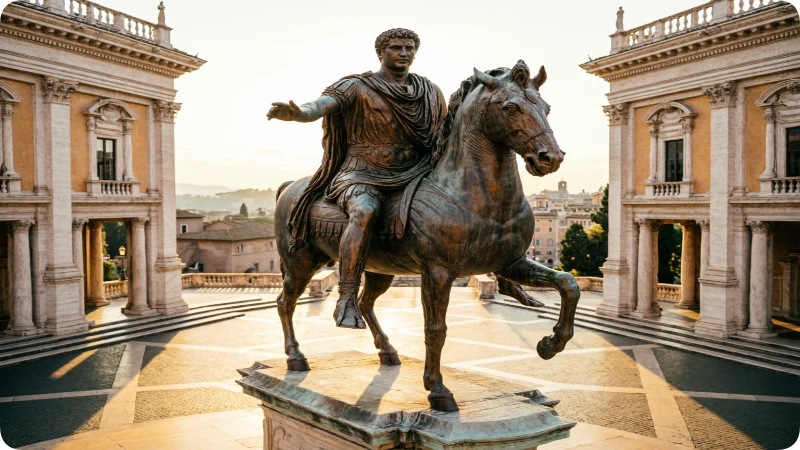
Nerva
The first of the Five Good Emperors. His full name was Marcus Cocceius Nerva. He reigned briefly (96–98 AD) but established the crucial precedent of adopting the best available successor rather than relying on biological inheritance. The name Nerva has an archaic, precise quality short, clean, and carrying the specific weight of a wise transitional figure.
Trajan
Marcus Ulpius Traianus. Born in Spain to a Roman family, the first emperor born outside Italy. Trajan expanded the Roman Empire to its greatest territorial extent, conquering Dacia (modern Romania) and reaching into Mesopotamia. His Column in Rome, which still stands, depicts his military campaigns in extraordinary detail. As a name it is bold, unusual in English-speaking contexts, and carries the specific energy of legitimate greatness. Trajan’s Column was also the source of the typeface “Trajan,” making his name embedded in design culture.
Hadrian
Publius Aelius Hadrianus. One of the most fascinating emperors in Roman history a man of extraordinary cultural breadth who traveled to virtually every province of the empire, built Hadrian’s Wall in Britain (still one of the most impressive Roman structures surviving), rebuilt the Pantheon in its current form, designed his own magnificent villa at Tivoli, and had a passionate love affair with the young Greek Antinous whose death shattered him. Marguerite Yourcenar’s novel Memoirs of Hadrian is one of the great historical novels of the twentieth century. The name Hadrian carries all of this the builder, the traveler, the lover, the architect. Nickname: Adrian is its most used contemporary form.
Antoninus Pius
Titus Aurelius Fulvus Boionius Arrius Antoninus. Edward Gibbon considered Antoninus Pius one of the best rulers in history. The cognomen Pius (from the Latin for “dutiful,” “conscientious,” “faithful”) carries the specific quality of consistent, quiet virtue not glamorous but genuinely admirable.
Marcus Aurelius
Marcus Aurelius Antoninus. The philosopher emperor. Commander of Rome’s legions during the Marcomannic Wars while simultaneously writing Meditations, a private journal of Stoic philosophy not intended for publication that became one of the most widely read books in human history. Marcus Aurelius is the emperor most beloved by the current generation. The Stoic philosophy revival, the wellness culture, the interest in Meditations on social media, have all made him more culturally present in the 2020s than at any time since the ancient world. As a name combination, Marcus Aurelius is impossible to use directly but Marcus, Aurelius, and Aurelio (its Italian form) all carry his specific quality of philosophical gravity. Nickname for Aurelius: Aurel or Leo.
The Military Emperors and Soldier Kings
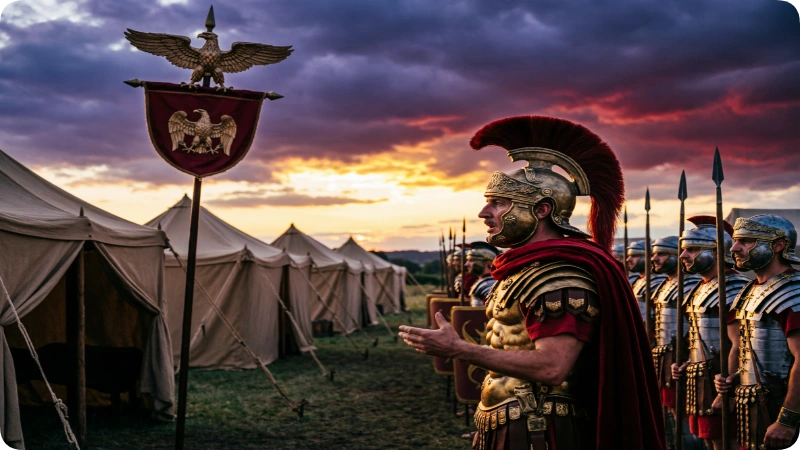
Rome’s third century was a period of extraordinary instability; the Crisis of the Third Century (235–284 AD) saw over fifty men claim or hold the imperial title in fifty years. These emperors have names of raw military power.
Septimius Severus Lucius Septimius Severus. Born in Leptis Magna in modern Libya the first Africanborn Roman emperor. A brilliant military strategist who stabilized a collapsing empire through sheer force of will. His name Septimius comes from the Latin septimus (seventh) , a birthorder name suggesting he was the seventh child. Severus means “strict, severe, serious” in Latin and the man matched his name completely. Rowling for Severus Snape, a character whose combination of strict exterior, hidden complexity, and ultimate loyalty mirrors the historical connotations.
Aurelian Lucius Domitius Aurelianus. The “Restorer of the World” (Restitutor Orbis) the emperor who reunified the Roman Empire after it had fragmented into three separate polities during the Crisis of the Third Century. He built the Aurelian Walls around Rome, which still stand. Aurelian as a name carries the golden meaning of Aurelius (from aurum, gold) with additional military energy. It is an extraordinary name for a fiction character of militaryimperial bearing and genuine achievement.
Diocletian Gaius Aurelius Valerius Diocletianus. The emperor who stabilized Rome after decades of crisis by completely restructuring the imperial government dividing the empire into the Tetrarchy (rule of four). He also launched the last and most severe persecution of Christians in Roman history. As a name, Diocletian is long, unusual, and carries the specific weight of radical institutional change. The palace he built for his retirement in Split, Croatia (Diocletian’s Palace) is still inhabited today, one of the most remarkable examples of a Roman monument still in continuous use.
Constantine and the Late Empire
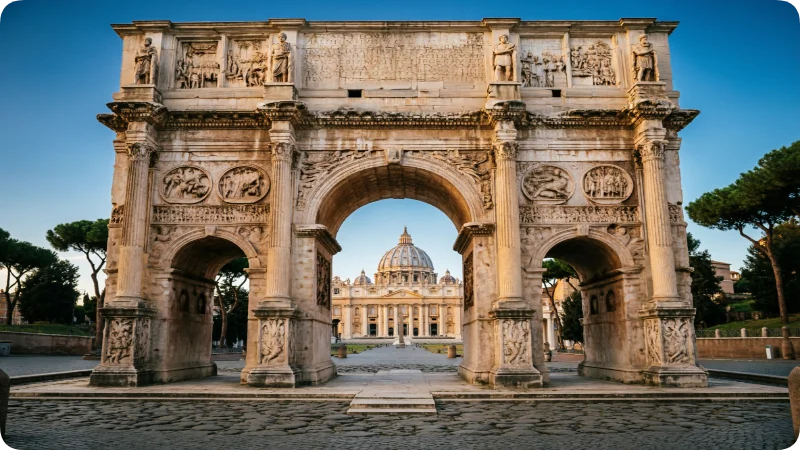
Constantine Gaius Flavius Valerius Constantinus. The emperor transformed the Roman Empire by converting to Christianity and making it the favored religion of the state. His Edict of Milan (313 AD) established religious tolerance throughout the empire. He moved the empire’s capital to the new city of Constantinople (modern Istanbul) , a decision that shaped the next thousand years of world history. The name Constantine derives from the Latin constans, meaning “constant, steadfast, firm.” As a given name it has been used by Eastern Roman (Byzantine) emperors, medieval European royalty, and in contemporary use carries both classical Roman heritage and Christian imperial tradition. Nicknames: Connie, Stan, Costas (Greek form).
Theodosius Theodosius the Great made Christianity the official state religion of the Roman Empire in 380 AD. His death in 395 AD marks the last time a single ruler governed the entire Roman Empire; after his death it was permanently divided into East and West. The name Theodosius derives from the Greek Theodosios, meaning “given by God.” It is long, unusual, and carries the specific weight of the moment when Rome’s ancient religious tradition gave way to the new faith.
Romulus Augustulus The last Western Roman emperor, deposed in 476 AD by the Germanic leader Odoacer. His name carries an extraordinary poignancy Romulus was the name of Rome’s legendary founder; Augustulus is a diminutive of Augustus, the first emperor. The last emperor of Rome carried the names of both its founder and its first ruler, in diminished form. Romulus Augustulus was a teenager when he was deposed, and the pathos of that diminutive “little Augustus” is one of the most powerful nominal ironies in all of history.
Roman Emperor Names by Aesthetic and Vibe
Stoic and Philosophical
Marcus (Aurelius), Hadrian, Nerva, Antoninus, Trajan names for characters of intellectual depth, moral seriousness, and philosophical purpose
Dark and Notorious
Caligula, Domitian, Commodus, Caracalla, Elagabalus names carrying cautionary weight, complexity, and the specific fascination of historical infamy
Military and Conquering
Trajan, Aurelian, Septimius Severus, Vespasian, Constantine names of strategic genius, physical courage, and imperial expansion
Philosophical and Cultural
Hadrian, Marcus Aurelius, Julian (the Apostate), Claudius names of scholarship, cultural patronage, and intellectual curiosity
Transitional and Transformative
Augustus, Constantine, Diocletian, Theodosius names of people who changed everything around them
Briefly Brilliant
Titus, Pertinax, Gordian I names of men who reigned briefly but left significant impressions
Roman Emperor Names as Given Names Today
Many Roman emperor names have crossed into contemporary given names some seamlessly, others carrying their historical weight as a deliberate choice.
| Roman Name | Contemporary Use | Nickname | Current Vibe |
| Augustus | Top 200 US boy names | Gus | Warm, classical, rising |
| Marcus | Widely used | Marc | Timeless, clean |
| Adrian | Top 100 US boy names | Ade | Modern, smooth |
| Claudius | Rare | Claude | Literary, Frenchinflected |
| Nero | Very rare | Deliberately provocative | |
| Titus | Rising in use | Biblical + Roman simultaneously | |
| Trajan | Extremely rare | Distinctive, bold | |
| Hadrian | Rare | Adrian | Architectural, intellectual |
| Aurelius | Rising | Aurel, Leo | Stoic, philosophical |
| Maximus | Rising | Max | Gladiatorial, strong |
| Constantine | Used in religious contexts | Connie, Stan | Traditional, transformative |
| Septimus | Very rare | Sep | Numerical, ancient |
Augustus is the most successful crossover; it has made the journey from imperial title to beloved given name through the warmth of its nickname Gus and the current fashion for classical names. It sits in a perfect naming sweet spot: historically significant, phonetically beautiful, and immediately accessible through its nickname.
Aurelius is following. The Stoic revival has made Marcus Aurelius perhaps the most discussed philosopher in social media wellness culture, and his name or specifically his cognomen Aurelius has been rising steadily as a given name choice for parents who want something classical, meaningful, and connected to genuine intellectual tradition.
Roman Emperor Names for Fiction and Worldbuilding
Roman emperor names are among the most useful in fiction precisely because they carry immediate authority signals. A character named Augustus, Hadrian, or Trajan is understood to be someone of power, culture, or ambition before a single word of characterization has been written.
For Fantasy Empire Characters
- Aurelian The goldstandard name for a military emperor character who restores order to a fragmented world.
- Hadrian For a cultured, traveling, worldbuilding emperor who is genuinely complex.
- Trajan For an ambitious military conqueror who is genuinely good at what he does.
- Vespasian For a practical, earthy, no nonsense ruler who rebuilds after a period of chaos.
- Titus For a brief, beloved ruler whose reign ends tragically.
Dark or Villainous Characters
- Domitian Controlling, suspicious, demanding worship. A perfect fictional authoritarian.
- Commodus The narcissist who renames Rome after himself and fights in the arena. One of history’s great theatrical villains.
- Caracalla murdered his own brother, massacred the population of Alexandria. Pure brutality in a name.
- Elagabalus The most transgressive emperor in Roman history, whose four-year reign challenged every social convention. For a character of radical selfinvention.
For Stoic Hero Characters
- Marcus The philosophergeneral who would rather write than fight but fights brilliantly when required.
- Nerva The transitional figure who creates the conditions for greatness without seeking greatness himself.
- Antoninus The quietly excellent ruler whose greatest achievement is having nothing memorable go wrong.
The Roman Emperor Names That Pop Culture Made Famous
Pop culture has kept several Roman emperor names in continuous circulation ensuring that even people who have never read a classical history text know these names.
Maximus Ridley Scott’s Gladiator (2000) made Maximus Decimus Meridius one of the most recognizable Roman names in contemporary culture. Russell Crowe’s performance gave the name a specific energy: strength, loss, and the dignified pursuit of justice. Maximus means “greatest” in Latin and was a common cognomen in Roman history. As a given name it is rising sharply, driven partly by this cultural association.
Commodus Gladiator also made Commodus famous, played by Joaquin Phoenix as a portrait of narcissism and insecurity dressed in imperial purple. The historical Commodus was genuinely theatrical; he had himself depicted as Hercules, renamed the months after himself, and fought in the Colosseum. As a character name for fictional villainy, Commodus is almost perfectly designed.
Caesar Not technically an emperor name but a title one that has entered virtually every language on earth. The German Kaiser, the Russian Czar, and the Arabic Qaysar all derive from Caesar. It is the most linguistically productive name in human history. As a given name Caesar (or Cesar) is used across Latin American cultures.
Nero Appears in Assassin’s Creed, multiple video games, and countless novels as the archetype of the corrupt artisttyrant. His historical complexity tends to be flattened in pop culture into pure villainy, but the name carries enormous narrative weight regardless.
Marcus Aurelius Appears in Gladiator (played by Richard Harris), in countless references across contemporary wellness and philosophy culture, and in the broader Stoic revival that has made Meditations a bestseller two thousand years after it was written.
FAQs: Roman Emperor Names
Who was the greatest Roman emperor?
Historians most commonly cite Augustus (who founded the Empire and established its governing structures), Trajan (who expanded it to its greatest extent and was considered optimus princeps by the Senate), and Marcus Aurelius (whose Meditations represent the most admirable combination of philosophical integrity and practical governance in Roman history) as candidates for the title. Edward Gibbon identified the period from Nerva to Marcus Aurelius as the happiest era in human history.
What does the name Augustus mean?
Augustus derives from the Latin augere (to increase) and augustus (consecrated, venerable, worthy of reverence). It was an honorific title granted to Gaius Octavius by the Roman Senate in 27 BC when he became Rome’s first emperor. The title implied divine favor, authority, and the quality of being set apart from ordinary mortals.
What Roman emperor names are used today?
Augustus, Marcus, Adrian (from Hadrian), Claudius, Titus, Constantine, Maximus, and Aurelius are all used as contemporary given names. Augustus and Aurelius are rising particularly strongly in the current classical naming revival.
What was the worst Roman emperor’s name?
The emperors most consistently described as the worst by ancient sources and whose names have become synonymous with excess and cruelty include Caligula, Nero, Domitian, Commodus, Caracalla, and Elagabalus. Each name carries specific historical associations with different forms of imperial failure.
What does Caesar mean as a name?
Caesar’s etymology is debated; ancient sources suggested derivations including the Latin caedere (to cut, possibly referencing a caesarean birth), an Etruscan or Moorish origin, or reference to the Latin caesaries (head of hair). After Julius Caesar, it became a hereditary cognomen and eventually a title meaning supreme ruler giving us Kaiser, Czar, and Qaysar.
Why do Roman emperor names sound so powerful?
Roman emperor names carry the accumulated weight of two thousand years of history, literature, and cultural reference. They were chosen by aristocratic families from a tradition of names that carried meaning and dignity. They have been used and referenced by historians, writers, and artists continuously since the ancient world. The power comes from genuine historical depth rather than mere aesthetics though the Latin phonetic tradition also produces names of particular gravity and resonance.
The Names That Built the World
Rome lasted, in one form or another, for over a thousand years in the West and another thousand in the East. Its emperors from Augustus to Romulus Augustulus in the West, from Augustus to Constantine XI in the East carried names that were simultaneously personal identities, political programs, and historical monuments.
The best of them understood what their names carried. Augustus chose him deliberately. Marcus Aurelius tried to live up to the philosophical tradition his family name invoked. Hadrian built monuments across the world that bore his name precisely because he understood that the name would outlast the man.
They were right.
The names outlasted the empire, the language, the religion, and the political structures that produced them. They are still being given to children, still being used for fictional characters, still being studied and admired and argued over.
That is the specific power of a Roman emperor’s name. It was built for permanence in a civilization that understood permanence and it achieved it.

I am Olivia Hayes, a dedicated Name Researcher and Content Writer at NameopediaHub.com. I create engaging and well-researched content about name meanings, origins, trends, and unique naming ideas to help readers explore the fascinating world of names. nameopediahub.com