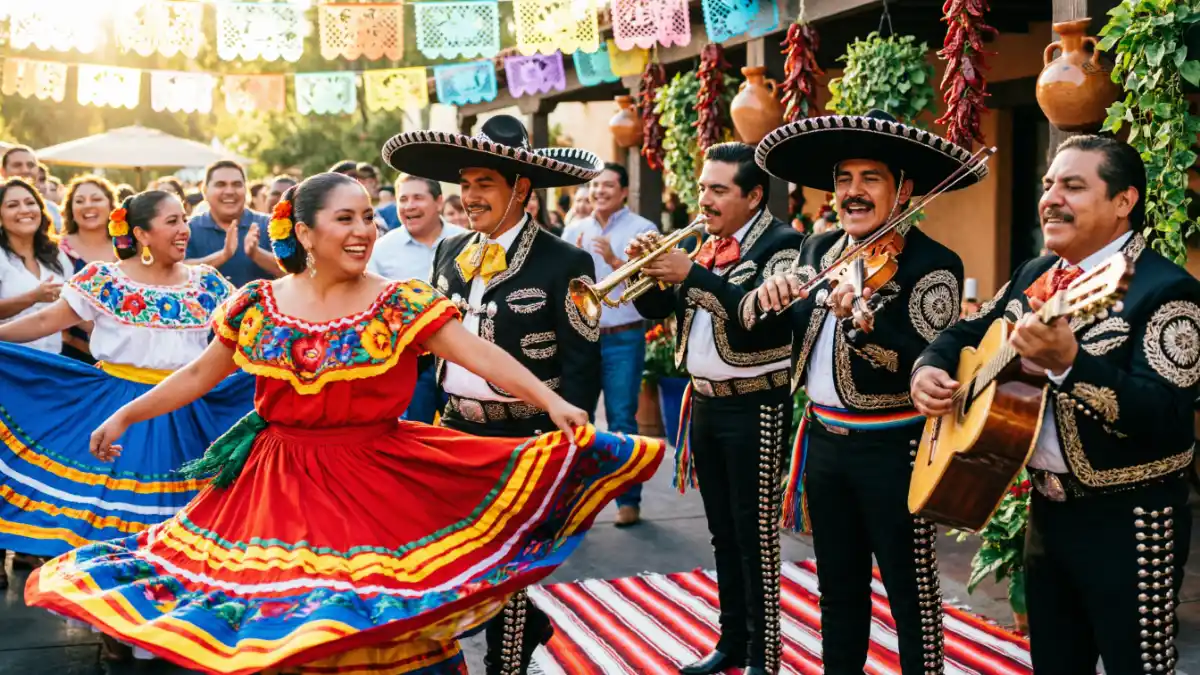
Mexico is a country where music, movement, and tradition come together in breathtaking ways. From elegant courtship dances performed in flowing dresses to energetic folk performances that celebrate regional identity, Mexican dances tell stories of history, culture, community, and pride.
If you’re researching traditional Mexican dance names, preparing for a cultural event, studying folklore, or simply curious about Mexico’s rich artistic heritage, this guide explores the most famous Mexican dances and the meanings behind them.
Featured Snippet
Mexican dances are traditional folk and cultural performances that reflect the history, regional identity, and heritage of Mexico. Popular Mexican dance names include Jarabe Tapatío (Mexican Hat Dance), Danza de los Viejitos, La Bamba, Danza del Venado, Son Jarocho, and Danza de los Voladores. Each dance has unique costumes, music, symbolism, and cultural significance.
____________________________________________________________________________
Mexican Dances at a Glance
| Dance Name | Region | Cultural Significance | Style |
| Jarabe Tapatío | Jalisco | National folk dance of Mexico | Courtship Dance |
| Danza del Venado | Sonora | Honors the deer spirit | Ritual Dance |
| La Bamba | Veracruz | Celebrates community and romance | Folk Dance |
| Danza de los Viejitos | Michoacán | Humor and wisdom of elders | Traditional Folk Dance |
| Son Jarocho | Veracruz | Blend of Spanish, Indigenous, and African influences | Musical Folk Dance |
| Danza de los Voladores | Puebla & Veracruz | Ancient ceremonial ritual | Sacred Dance |
| Matachines | Northern Mexico | Religious celebrations | Ceremonial Dance |
| Polka Norteña | Northern States | European influence on Mexican culture | Social Dance |
| Danza de los Tecuanes | Guerrero | Symbolic jaguar hunt | Folk Drama Dance |
| Chilena | Oaxaca & Guerrero | Coastal cultural expression | Folk Dance |
Most Famous Mexican Dance Names
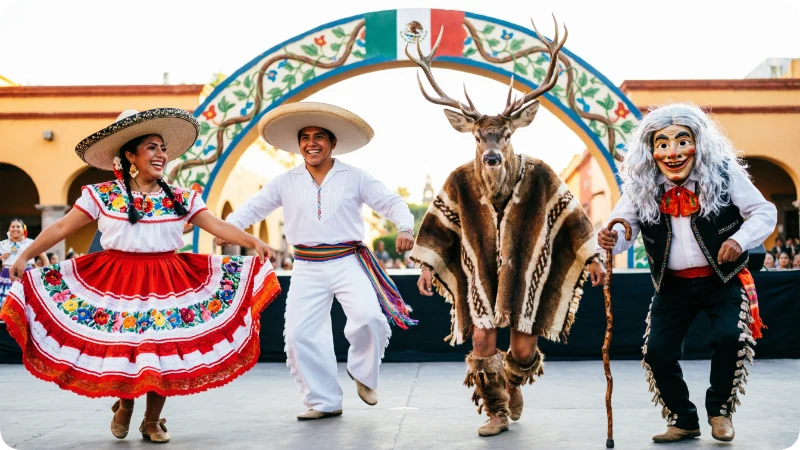
Jarabe Tapatío (Mexican Hat Dance)
Often called the national dance of Mexico, Jarabe Tapatío is recognized worldwide for its vibrant costumes and romantic storytelling.
Meaning: Symbolizes courtship and unity
Origin: Jalisco, Mexico
Language: Spanish
Pronunciation: Hah RAH beh Tah pah TEE oh
Cultural Relevance:**
A proud symbol of Mexican identity often performed during festivals and national celebrations.
Personality Vibe:**
Confident, joyful, passionate
Social Impression:**
Warm, festive, and welcoming
Aesthetic Category:**
Traditional, colorful, celebratory
Modern vs Classic Feel:**
Strongly classic yet timeless
Danza del Venado (Deer Dance)
One of Mexico’s most sacred Indigenous dances, performed primarily by the Yaqui people.
Meaning: Represents the spirit and life cycle of the deer
Origin: Sonora
Language: Yaqui traditions
Pronunciation: DAN sah del Veh NAH doh
Cultural Relevance:**
A ceremonial performance connecting humans with nature and spirituality.
Personality Vibe:**
Mystical, graceful, spiritual
Social Impression:**
Deeply respectful and culturally meaningful
Aesthetic Category:**
Nature inspired, ceremonial
Modern vs Classic Feel:**
Ancient and enduring
La Bamba
La Bamba is one of the most internationally recognized Mexican folk dances.
Meaning: Celebration of love and community
Origin: Veracruz
Language: Spanish
Pronunciation: Lah BAM bah
Cultural Relevance:**
Often performed during weddings and celebrations.
Personality Vibe:**
Playful, lively, romantic
Social Impression:**
Friendly and energetic
Aesthetic Category:**
Coastal, festive, joyful
Pop Culture Association:**
Globally popular through musical adaptations and recordings.
Danza de los Viejitos (Dance of the Little Old Men)
This charming dance combines humor with cultural symbolism.
Meaning: Honors age, wisdom, and resilience
Origin: Michoacán
Pronunciation: DAN sah de los Vee eh HEE tos
Personality Vibe:**
Cheerful, witty, heartwarming
Social Impression:**
Entertaining yet meaningful
Aesthetic Category:**
Traditional folk humor
Son Jarocho
More than a dance, Son Jarocho is a musical and cultural tradition.
Meaning: Expression of Veracruz cultural identity
Origin: Veracruz
Pronunciation: Son Hah RO cho
Cultural Blend:**
Spanish, Indigenous, and African influences
Personality Vibe:**
Creative, rhythmic, vibrant
Aesthetic Category:**
Artistic, coastal, authentic
Traditional Mexican Dances by Region
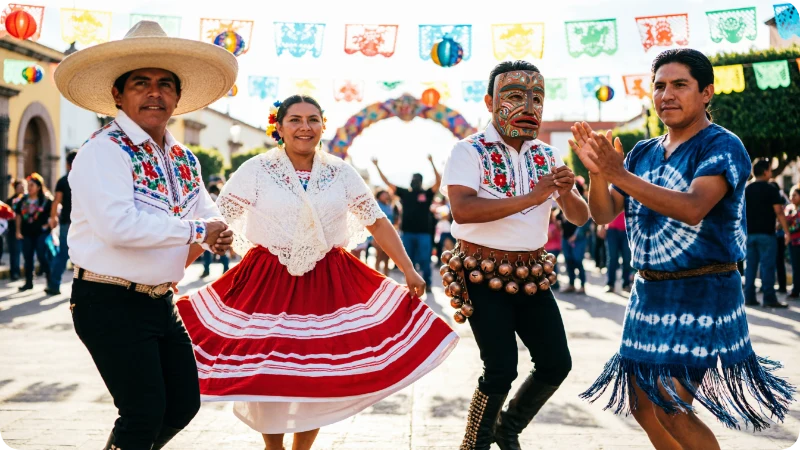
Jalisco
Known for mariachi music and iconic folk performances.
Popular dances include:
- Jarabe Tapatío
- Sones de Jalisco
- El Son de la Negra
- Las Alazanas
Regional Energy:**
Bold, patriotic, festive
Veracruz
A coastal region famous for musical diversity.
Popular dances include:
- La Bamba
- Son Jarocho
- El Colás
- El Balajú
Regional Energy:**
Romantic, tropical, lively
Michoacán
Rich in Purépecha cultural heritage.
Popular dances include:
- Danza de los Viejitos
- Danza de los Curpites
- Danza de los Kurpites
Regional Energy:**
Community centered, joyful
Sonora
Home to important Indigenous traditions.
Popular dances include:
- Danza del Venado
- Pascola Dance
Regional Energy:**
Spiritual, nature focused
Ceremonial and Indigenous Mexican Dances
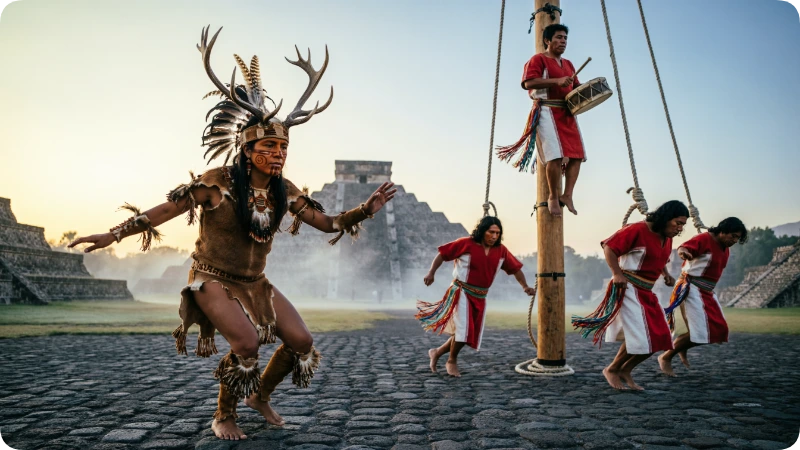
Many Mexican dances existed long before modern Mexico and continue to preserve Indigenous heritage.
Danza de los Voladores
A UNESCO recognized ritual involving performers descending from a tall pole while suspended by ropes.
Meaning:**
Connection between earth, sky, and fertility.
Personality Vibe:**
Sacred, courageous, awe inspiring
Matachines Dance
Performed during religious festivals across Mexico.
Meaning:**
Faith, devotion, and celebration.
Aesthetic Category:**
Ceremonial, spiritual
Danza de los Tecuanes
A dramatic folk dance centered on a symbolic jaguar hunt.
Meaning:**
Community cooperation and survival.
Personality Vibe:**
Strong, adventurous, theatrical
Mexican Dance Names Inspired by Animals
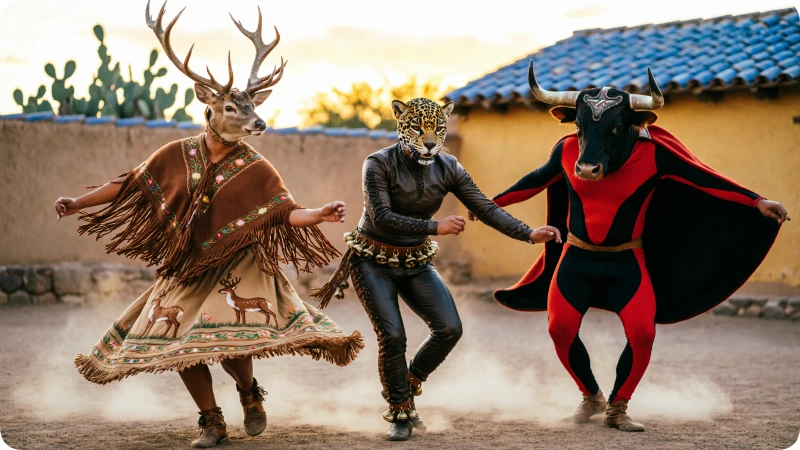
Animal symbolism appears frequently in Mexican folklore.
| Dance Name | Animal Symbol |
| Danza del Venado | Deer |
| Danza de los Tecuanes | Jaguar |
| Danza del Torito | Bull |
| Danza de los Negritos | Various symbolic creatures |
| Danza de los Guajolotes | Turkey |
These dances often represent the relationship between humans, nature, and spiritual traditions.
Mexican Dances Known for Beautiful Costumes
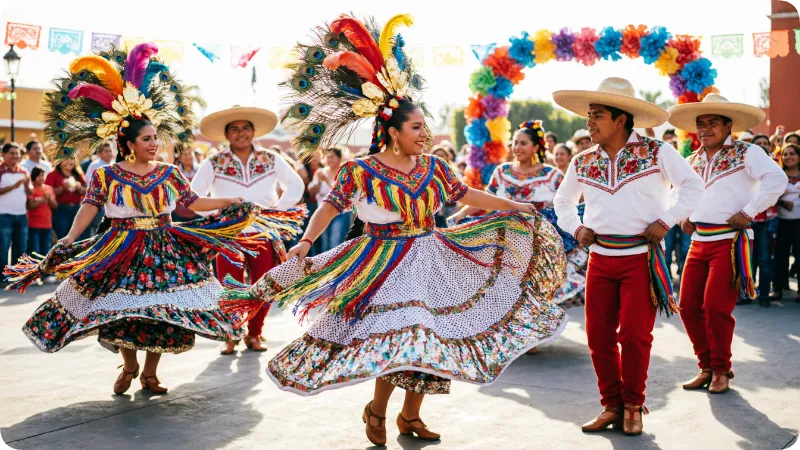
Visual beauty is one reason Mexican folk dances are admired worldwide.
Jarabe Tapatío
Features the iconic China Poblana dress and charro attire.
Son Jarocho
Elegant white clothing highlights the dance’s coastal heritage.
Danza de los Viejitos
Distinctive masks and traditional costumes create a memorable appearance.
Matachines
Decorated headdresses and vibrant ceremonial garments capture attention instantly.
Modern Popularity of Mexican Folk Dances
Today, traditional Mexican dances remain highly relevant through:
- Cultural festivals
- Heritage celebrations
- School performances
- Folklórico dance groups
- Tourism events
- Social media cultural showcases
- International cultural exhibitions
Platforms like TikTok, YouTube, and Pinterest have introduced younger audiences to traditional Mexican dance costumes, choreography, and cultural storytelling, helping preserve these traditions for future generations.
Why Mexican Dances Matter
Mexican dances are more than entertainment.
They preserve languages, honor ancestors, celebrate regional identity, and strengthen community bonds. Every step, costume, and melody carries generations of history.
For many performers, dancing is a way of keeping family traditions alive while sharing Mexican culture with the world.
Frequently Asked Questions
What is the most famous Mexican dance?
Jarabe Tapatío, commonly known as the Mexican Hat Dance, is generally considered the most famous Mexican dance worldwide.
What is the traditional dance of Mexico?
While Mexico has many traditional dances, Jarabe Tapatío is often regarded as the national folk dance.
What is the Deer Dance in Mexico?
Danza del Venado is an Indigenous ceremonial dance from the Yaqui people that represents the spirit of the deer and humanity’s connection with nature.
Which Mexican dance is performed at weddings?
La Bamba is commonly associated with celebrations and wedding festivities, especially in Veracruz traditions.
Are Mexican dances still performed today?
Yes. Traditional Mexican dances remain an important part of festivals, cultural events, schools, and folklórico performances across Mexico and internationally.
Conclusion
Mexican dances are living expressions of history, artistry, and cultural pride. From the romantic elegance of Jarabe Tapatío to the spiritual symbolism of Danza del Venado and the vibrant energy of La Bamba, each dance offers a unique glimpse into Mexico’s diverse heritage.
Exploring Mexican dance names is more than learning titlesit’s discovering stories, traditions, and communities that have kept these beautiful cultural expressions alive for generations.
If you’re a student, performer, teacher, or culture enthusiast, these dances provide a meaningful connection to one of the world’s richest folk traditions.

I am Olivia Hayes, a dedicated Name Researcher and Content Writer at NameopediaHub.com. I create engaging and well-researched content about name meanings, origins, trends, and unique naming ideas to help readers explore the fascinating world of names. nameopediahub.com